Written by:
Stay updated with Roku Advertising.
Roku’s Mike Shaw weighs in on the need, rise and demand of free AVOD content
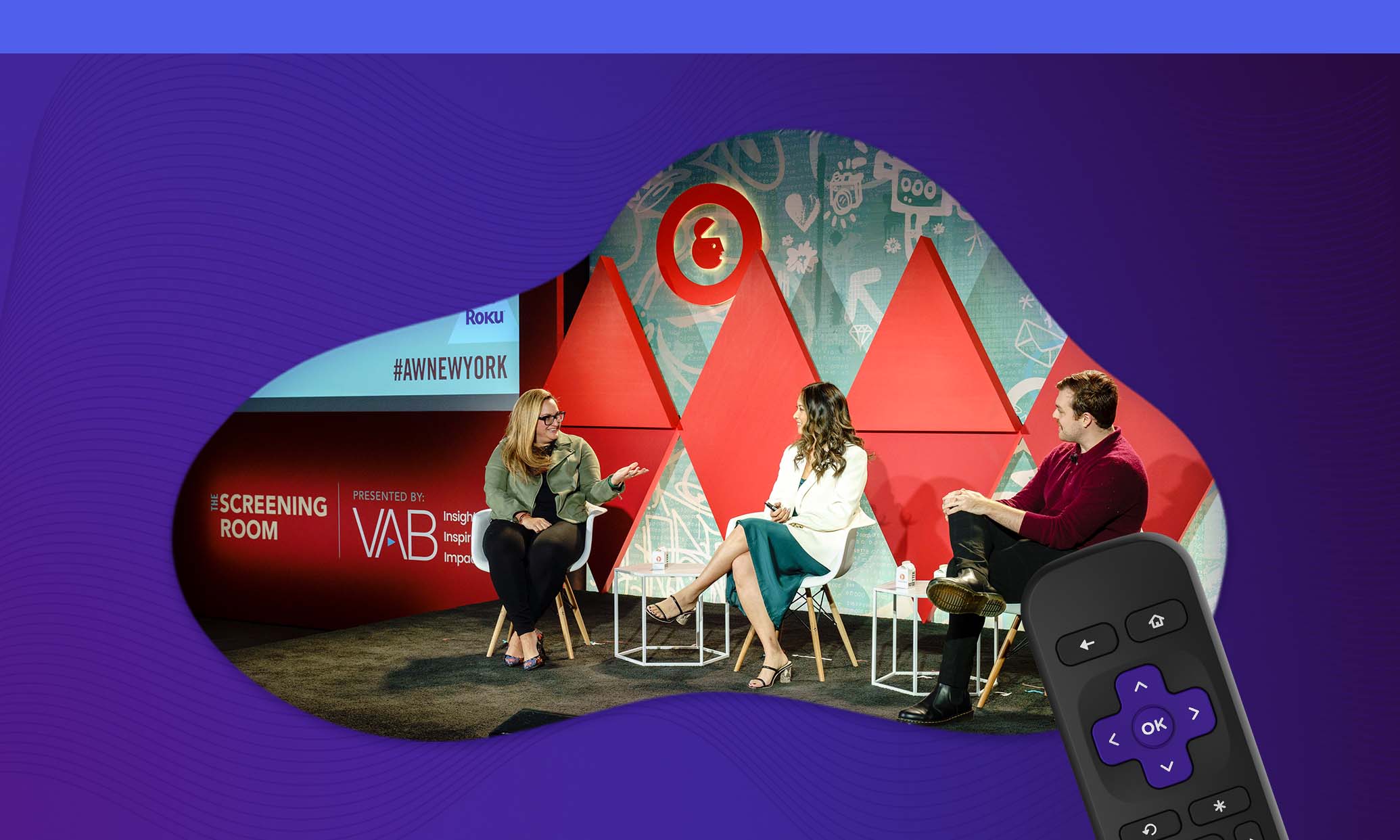
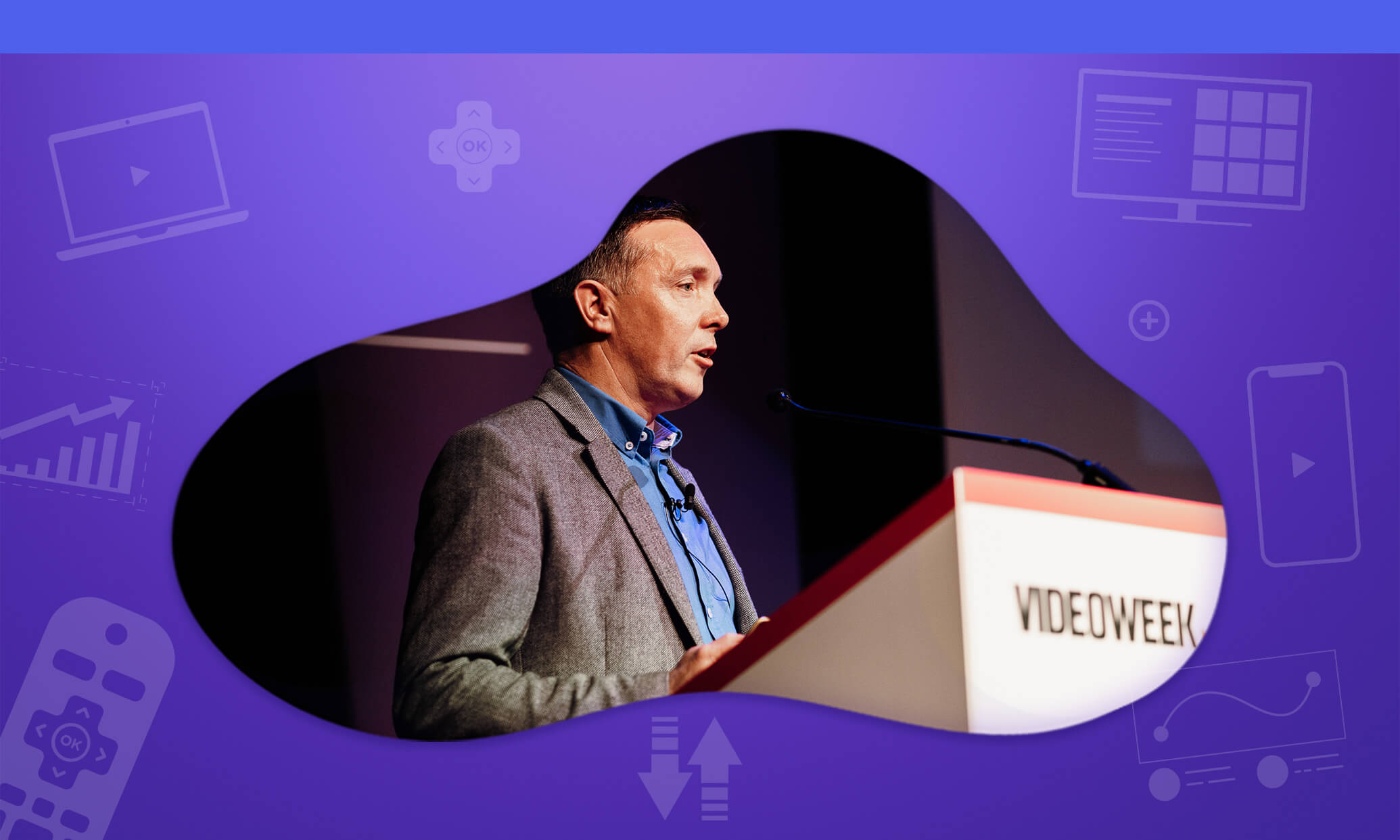
VideoWeek, the industry's leading source of video & CTV advertising news and insights, held its annual New Video Frontiers event earlier on the 6th of May. The conference brought together key players from across the advertising ecosystem to discuss topics pertaining to video and CTV advertising in Europe such as the power of addressable TV, the Ukraine crisis, and the future of CTV in Europe.
Roku’s Director of International Ad Sales, Mike Shaw, was among the renowned speakers at the event, where he discussed the economic situation in the UK resulting in fluctuations of streaming subscriptions, and the subsequent need for free streaming content.
Here are the key takeaways from the event:
1. Netflix is launching an ad-supported tier, and everyone is talking about it
“Our revenue growth has slowed considerably as our results and forecast below show,” the company wrote in a shareholder letter.
After losing 200,000 subscribers in the first quarter of 2022, and expecting to lose 2 million more in Q2, according to the company’s Q1 2022 Earnings Call, Netflix has finally decided to launch an ad-supported plan — a move that comes after years of an ad-free promise.
The announcement, along with the possibility of Netflix cracking down on password-sharing, has left subscribers feeling a tad disappointed. But the concept isn’t new; many other streaming services have had to accept advertising on their platforms to survive and succeed.
The Walt Disney Company announced at the beginning of the year that it would launch an ad-supported subscription option by the end of the year for Disney+ US streamers with plans to roll it out internationally by 2023.
“Since its launch, advertisers have been clamoring for the opportunity to be part of Disney+ and not just because there’s a growing demand for more streaming inventory,” Rita Ferro, President, Advertising, Disney Media and Entertainment Distribution, said in a statement.
While Disney+ and Netflix are new to the ad-supported video-on-demand (AVOD) market, Amazon is no stranger to it. Three years ago, it launched the premium free streaming service with IMDb TV, now known as Amazon Freevee.
These moves reflect the rising trend of consumers opting for AVOD services as the number of streaming platforms rise and subscription costs eventually add up.
2. How the economic situation in the UK is affecting streaming subscriptions
A recent study from Lloyds Bank shows that consumers cut 1.2 million subscriptions all around including gyms, entertainment, etc. Nearly half (47%) of that was on streaming services.
Roku’s Shaw stressed on the importance of free streaming content during his session at the event. It all starts with the consumer, “and if we look at the household economics in the UK of how this [streaming] is going to be funded, it’s changing,” he said.
“According to the Office of National Statistics, we’re in the worst cost of living crisis since they started recording the cost of living increases,” he added.
Let’s look at the economic landscape in the UK this year alone:
- National Insurance contributions went up.
- Energy bills rose for millions because of an increase in the energy price cap, resulting in an average increase of £693 for around 18 million households on standard tariffs and £708 for 4.5 million prepayment customers.
- The Consumer Price Index, which measures the average change in the prices of goods and services purchased by most households in the UK, went up by 9% in April 2022 compared to the previous year. This marks the highest annual inflation rate in the National Statistics series in the last 25 years.
And it’s about to get even worse. Shaw said: “The biggest impact of all of this is actually about to kick in.”
3. The need (and demand) for free
According to Ofcom’s Media Nations report, said Shaw, streaming subscriptions are expected to drop in the future as consumers look to cut costs and banks like Lloyds make it easier to do so from within their own app.
The streaming landscape is changing to include a hybrid model that goes beyond just mere SVOD or AVOD with multiple services choosing to adopt various pricing tiers and models that attract a wider range of streamers.
Where does free come in?
In the last 24 months alone, there was a 6X increase in AVOD viewers across four key AVOD services including the Roku Channel, Amazon Freevee, Pluto and Samsung TV¹ — a “phenomenal growth rate,” said Shaw.
Moreover, over half (66%) of the UK population don’t mind seeing advertisement when watching TV and 52% are either neutral or don’t agree with paying extra for things that give them exactly what they want².
This means that streamers are “now embracing free offerings alongside whatever potentially diminishing subscription offerings that they have as well,” said Shaw.
Nearly half (44%) of people in the UK watch TV to unwind (26%) or distract themselves (18%)³. Both of these needs are something that can be fulfilled by free streaming content as long as the content is good, explained Shaw.
How Roku is attracting streamers and advertisers through high-quality content
For Streamers
The high-quality content by British public service broadcasters in addition to the unprecedented choice offered by streaming platforms has raised the bar for quality content. Being mindful of this, in the last year Roku has invested massively in original content including the acquisition of content from short-form streaming platform Quibi now called Roku Originals.
Roku Originals celebrated its first anniversary this May. Going forward, the platform is focused on capturing the hearts of all types of viewers with its dynamic new slate, which has something for everyone.
The last year has marked tremendous growth for The Roku Channel, which now hosts over 75 bold, fresh, primetime-quality shows from the biggest names in Hollywood… all for free. Roku’s episodic content ranging from 7 to 30 minutes are perfect for engaging streamers when they’re looking for bite-sized content to distract themselves.
For Advertisers
When media owners use their own data, only the media owner benefits from it. Shaw stressed that we need to think about the entire advertising ecosystem and “get over the idea of using our own data and move to this idea of using third-party data that gives agencies and buyers an opportunity to use genuinely independent third-party measurement.”
Although connected TV and Netflix were the hot topics at the conference, there was an underlying consensus about the need to focus on measurement. Players from across various facets of the industry were cognisant that we have a long way to go in the measurement space, and the whole ecosystem needs to work together to ensure that return on spend is measured.
Content Discovery on the Big Screen
The other important aspect of streaming is content discovery and Roku is working on formats that go beyond the usual pre-roll. For instance, its native high-impact native home screen ads take over 1/3rd of users’ home screen even before they decide which platform or channel to watch.
Users can discover content through innovative and future-facing ways such as Roku’s voice search, which allows streamers to use voice controls for everything from which app to open to what kind of content they’d like to view.
Roku’s marketing team also invests in strategic placements that drive discovery and engagement amongst the Roku platform, taking advantage of some of the most powerful real estate to drive viewership.
As many of our media and entertainment clients know, these on-platform placements can be some of the most effective ways to drive viewers into the shows and movies — with just a click.
Shaw said: “There’s an opportunity for us to continue to evolve these models to ensure that we give them [streamers] the best possible opportunity to go and watch the next thing for them.”
Watch the Mike Shaw's presentation below.
Sources:
[1] Ampere Analysis, UK, Q1 2020 – Q2 2022
[2] Ampere Analysis, UK, Q1 2022
[3] The Age of Television, 2018, MTM/Thinkbox.