In formal presentations and networking breaks, three topics dominated discussions at Groceryshop 2024: retail media, private label brands, and of course, artificial intelligence.
As it does each year, the gathering of 5,000 grocers, CPG brands, and tech companies in Las Vegas provided a valuable deep-dive on the future of retail. After attending sessions, meeting with clients, and talking with industry leaders, we’ve summarized several themes that will define the future of shopping for advertisers and retailers alike.
For more on how Roku helps grocery and retail brands connect with customers, check out the CPG Guys podcast episode featuring Jake Piasecki U.S. Head of Verticals for CPG, Health & Wellness, and Insurance at Roku.
Let’s dive in.
1. Retail media is hotter than ever
In just a few years, retail media has evolved from a novelty into a cornerstone of modern retail advertising. Retailers, armed with first-party data, can now deliver highly personalized shopping experiences that foster brand loyalty in ways that weren’t possible before. Retail media is now projected to drive $54.9 billion in ad spend by 2024 and could soar to $129.9 billion by 2028, according to eMarketer.
At Groceryshop, the focus was on the practical steps retailers have taken to optimize their retail media strategies, such as breaking down internal silos and reallocating budgets to retail media investments.
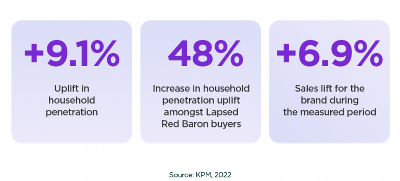
The Roku advantage. Retail media has significantly enhanced the potential of TV streaming ads. With Roku’s Commerce+ program, advertisers can leverage proprietary data from partners like Instacart and Walmart to target relevant audiences. For example, Red Baron used Kroger Precision Marketing’s first-party data from 62 million shoppers to identify potential pizza buyers. Streaming ads on Roku led to a 48% increase in household penetration among lapsed buyers and a nearly 7% increase in sales.¹
Similarly, Waterpik used Roku’s collaboration with Walmart Connect to launch targeted, shoppable streaming ads that merged discovery and purchase into a single step. The campaign delivered the majority – 65%! – of total ad-attributed purchases across in-store and online sales.²
And just recently, Roku partnered with Instacart to offer interactive, shoppable ads where consumers can use a QR code or text message and receive delivery in as little as an hour.
“Grocers are perfect for retail media because they have a wealth of shopper data across diverse product categories. That data can be passed along to TV streaming advertisers in a privacy-conscious way to dramatically improve campaign performance and measure true business outcomes. That’s really powerful,” said Matt Lear, CPG food and beverage category manager, Roku.
2. How AI is transforming retail and marketing strategies
Artificial intelligence was another major theme at Groceryshop, with innovations ranging from smart shopping carts to AI-powered robots that arrange products and manage inventory. AI applications are expanding rapidly, but according to attendees, many retailers are still in the early stages of implementation. Nearly 49% of industry executives plan to scale AI usage across their organizations within the next two years, while 46% are still piloting these technologies, according to Forbes.
The Roku advantage. AI is a crucial part of the Roku platform, powering personalized entertainment recommendations based on viewing habits, location, and other factors. For marketers, AI enables us to serve more relevant and personalized ads to consumers, ensuring better audience targeting and improved campaign results.
“Machine learning has significantly advanced audience targeting in CTV advertising, bringing greater accountability and precision. For instance, we use machine learning to optimize creative ad formats in real-time, enhancing viewer engagement and driving better results,” said Jake Piasecki U.S. head of verticals for CPG, health & wellness, and insurance, Roku.
3. Private labels gain ground: how national brands can compete
With inflation driving price sensitivity among consumers, private label brands are becoming a go-to strategy for grocers looking to increase profits and foster loyalty. According to eMarketer, private labels will account for 24% of grocery spending by 2030, up from 20% today. This shift poses a challenge and an opportunity for national CPG brands.
The Roku advantage. As private labels rise, it becomes more important for national brands to differentiate themselves. Streaming TV ads provide a platform for national brands to reach audiences that are no longer accessible via traditional pay TV, which now reaches less than 50% of U.S. households. With innovative ad formats like shoppable ads, home screen takeovers, and content sponsorships, brands can make a lasting impression and drive awareness.
“With so much choice at the grocery store and price playing a major role in decision-making, national brands need new ways to stay top-of-mind. CTV advertising offers a powerful channel for brands to communicate their value so they can stay top-of-mind for consumers when they shop,” said Alannah Pawlik, senior sales marketing manager at Roku.
Missed us at Groceryshop and want to learn more? Contact us to set up a strategy meeting for your brand.
¹ KPM, 2022
² Walmart first party data, 5/24/2023 – 7/11/2023