![Sarah [Warner] Harms's profile picture](https://advertising.roku.com/hubfs/1776453457736.png)
Home screen ads in CTV deliver consistently strong results, but marketers shouldn’t treat this format as strictly a standalone opportunity. That’s the key finding of a new Partner Intelligence Study from Omnicom Media Intelligence, the research arm of global media management group Omnicom Media, and Roku.
In our study of 900 streamers’ viewing behaviors, we sought to understand, among other topics, the role home screen ads play in the media mix. We found these highly visible ads, which appear the moment people turn on their streaming devices, outperform when brands buy them in concert with video ads. As this research reveals, each format makes the other shine brighter — driving increases in search activity, brand recall and purchase intent.
Below, we highlight select findings from the study.
How home screen ads drive brand lift
Before diving into synergies between home screen ads and other formats, it’s helpful to understand its standalone impact.
Our study validated that the home screen is a branding dynamo for a wide range of marketers, including established brands, newcomers and advertisers in non-entertainment verticals like consumer tech and auto.
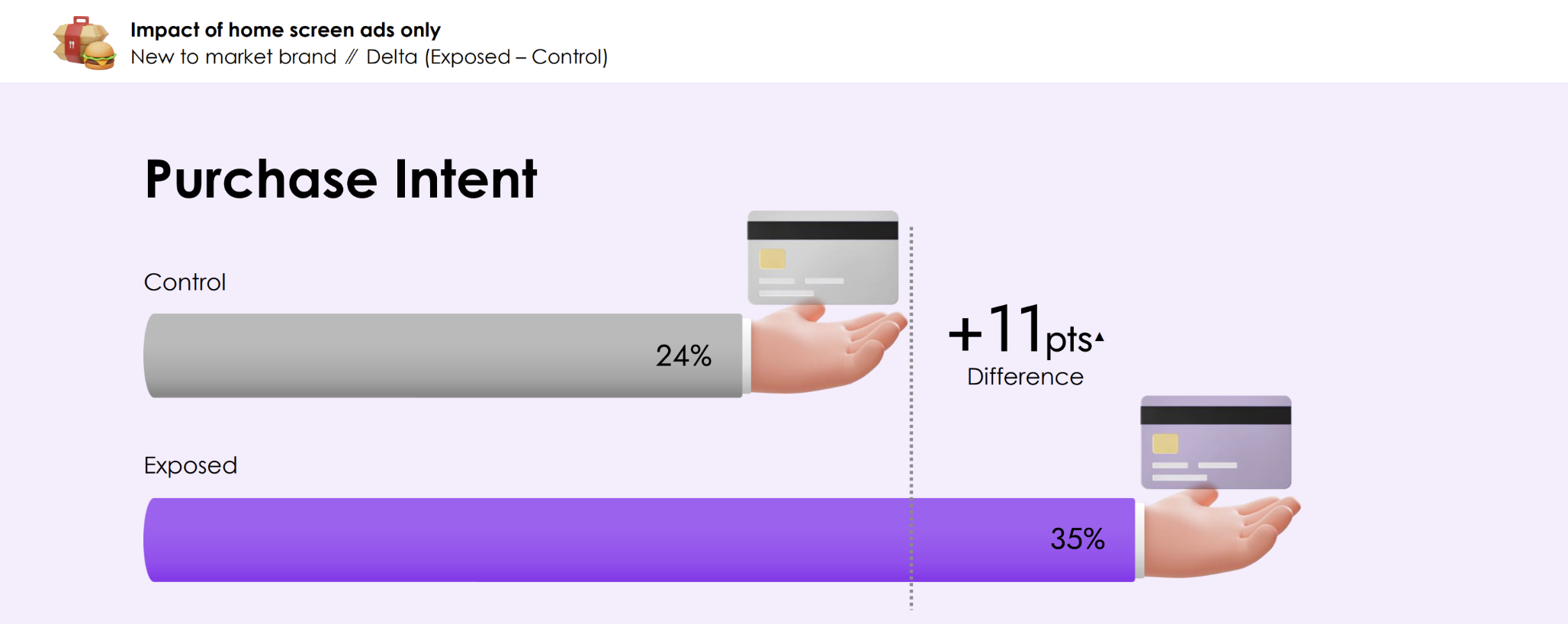
For instance, ads on the home screen can drive 11% lift in purchase intent for new brands, while established brand can boost recall by 14%.
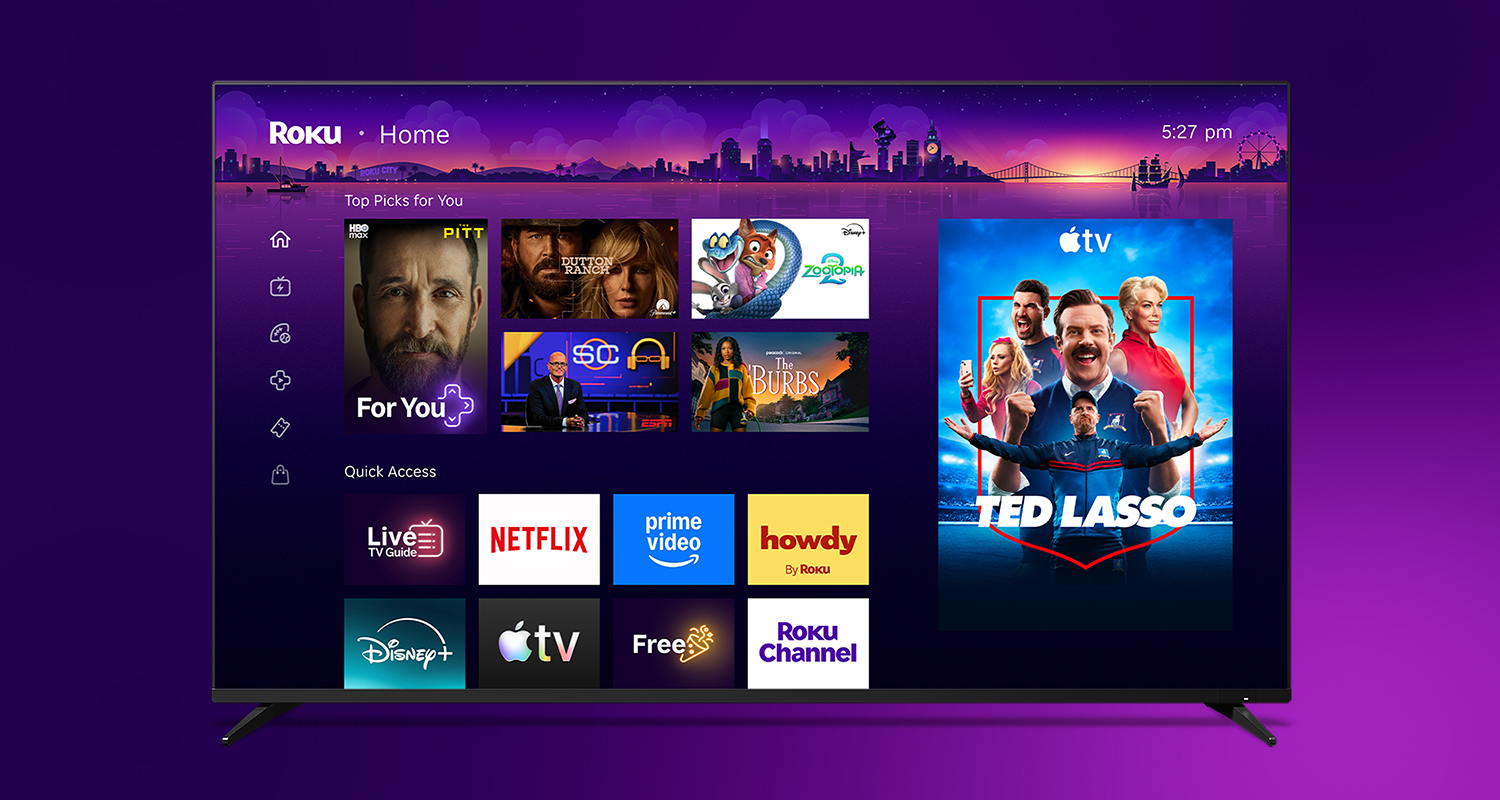
At Roku, it comes as no surprise that home screen ads do well on their own. Every day, 125 million people in the US power on their Roku TVs, and the first thing they see is our Home Screen. In the wake of a redesign that made this experience more streamlined and personal, it's critical for brands to understand how to get the most from ads in this environment.
The lesson for marketers here is strategic: Streamers are used to seeing video ads along their TV journey, and some pay subscription fees to avoid standard TV ads altogether. Meeting them in less familiar ways can make a strong impression.
A perfect pairing
While home screen ads on their own are proven to drive brand metrics, using multiple formats sets marketers up for even better results, according to one finding of our research. Specifically, established brands that combine home screen and video ads achieved 61% higher ad recall than brands using a single ad format.
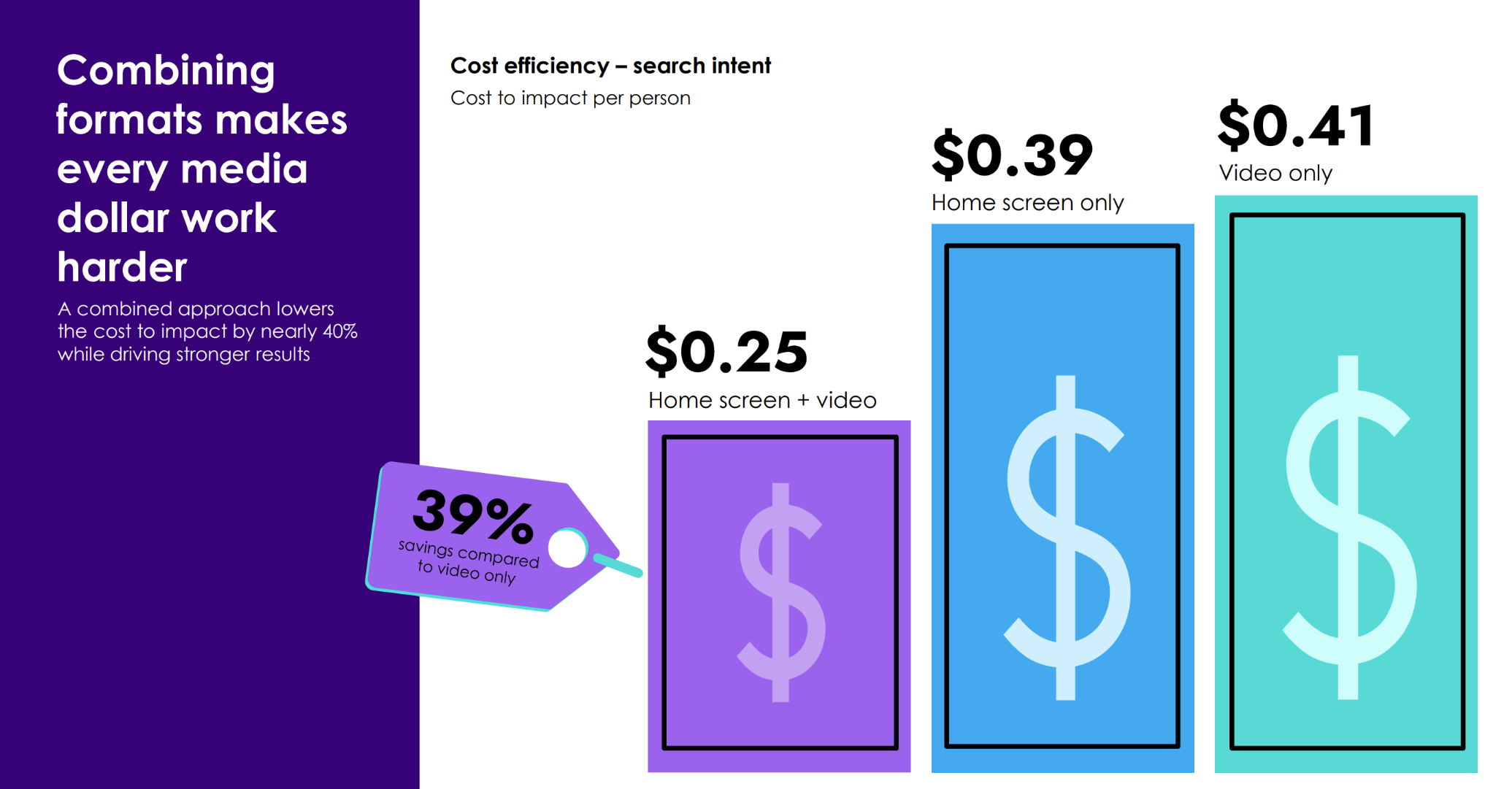
Additionally, pairing these formats drives greater efficiency — lowering advertisers' cost-to-impact by nearly 40%. Running both home screen ads and video ads reduced the cost-to-impact for search intent to just $0.25 per person, compared with $0.41 for video only and $0.39 for home screen only.
The order also makes a difference. New brands can drive 6x higher purchase intent by simply showing a video ad after a home screen placement.
For marketers, it’s helpful to think of home screen ads as an appetizer before the main course, which is the immersive experience of a video ad. That sequence is key to unlocking performance across the funnel.
Hooked on browsing
What makes these opportunities possible is the integral role that browsing plays in the behavior of streaming audiences. Our research found that nearly half of streamers browse, even when they already know what they want to watch. This is especially true for Gen Z, who browse twice as long as Gen X.
These browsing moments have tremendous value, because this is when streamers are more receptive to new things. We learned that the vast majority of streamers are open to discovering brands on the home screen across all categories.
This mindset makes the home screen the hottest piece of real estate in streaming TV advertising. Adding video ads to the mix only sweetens the deal.
Discover all of these new findings and what it means for brands in the full Roku x Omnicom Media Intelligence report.