Written by:
Stay updated with Roku Advertising.
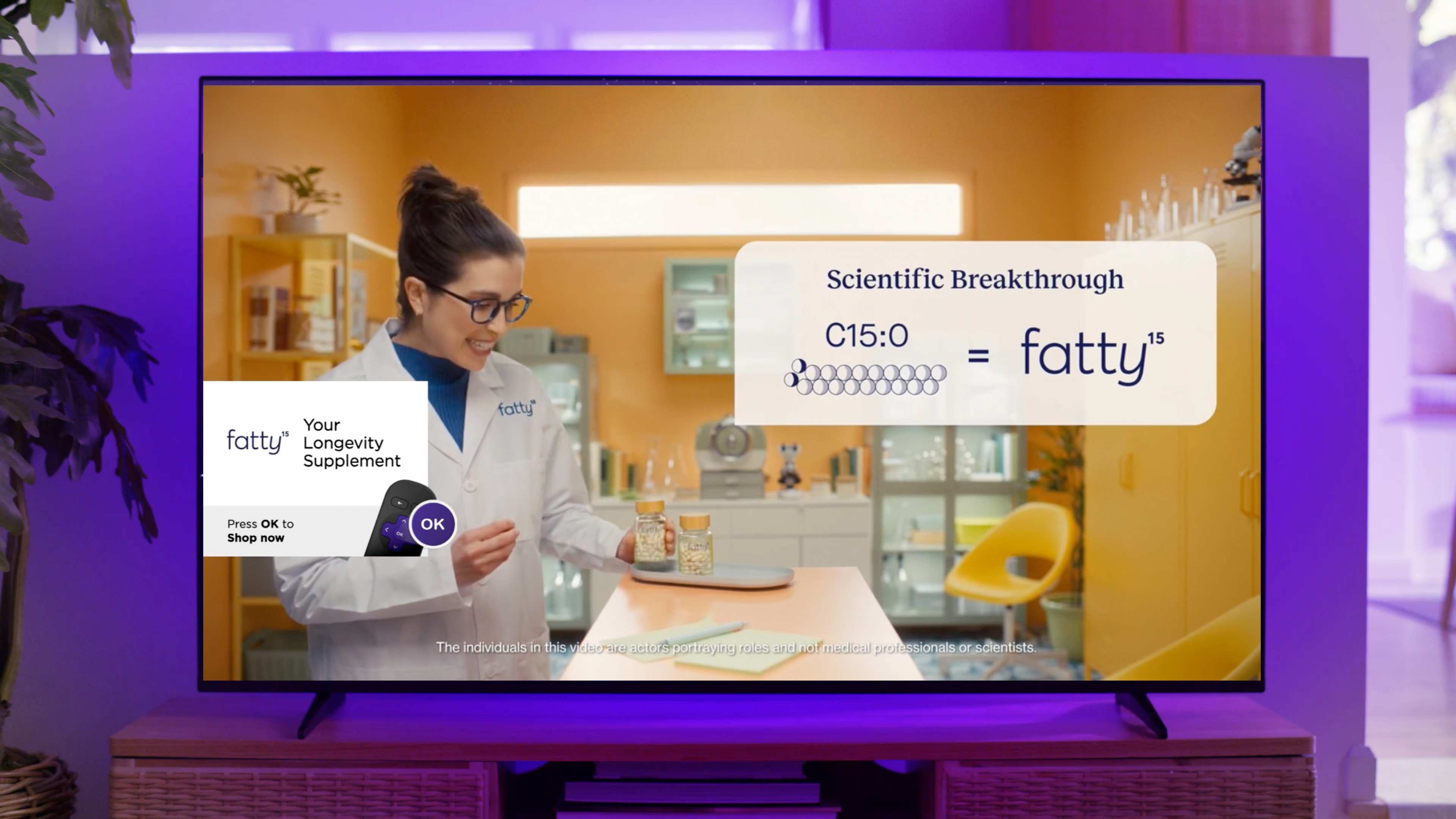
For years, TV advertising effectiveness was measured largely through awareness metrics like reach and household impressions.
Connected TV (CTV) changes that with measurement capabilities that look much more like search and social, providing insight into down-funnel actions such as website visits, sign-ups, and purchases. In other words, TV can finally function as a performance channel, not just a one-way broadcast.
Roku Ads Manager offers measurement tools that empower our customers to go beyond awareness and into real outcomes. With Roku’s Pixel and Conversions API, marketers can track meaningful events, understand how streaming campaigns influence behavior, and use those signals to improve performance over time.
Let’s break down how to measure performance on Roku Ads Manager so your CTV campaigns can learn, improve, and scale.
Misconception: pixels and APIs are too complicated
Pixels? APIs? Marketers may assume these tools require technical and engineering resources that are out of their league. As a result, some brands settle for awareness metrics alone.
Reality: advanced measurement doesn’t have to be hard
With minimal upfront effort, marketers can unlock measurement tools that track the metrics that matter most.
Pixel
A pixel is a small piece of code placed on your website that helps connect ad exposure to real actions. When someone sees your Roku ad and later visits your site, the pixel tracks what happens next. That can include page views, app installs, subscribes, sign-ups, add-to-cart actions, purchases, and other events tied to your goal.
Pixels play a critical role in optimization. By signaling which viewers are completing valuable actions, Roku can optimize delivery toward households most likely to convert, helping drive more sign-ups, purchases, or other desired outcomes over time.
Pixels also help future-proof your strategy. Insights into which audiences, creatives, and messages perform best can be applied to future Roku campaigns and broader marketing decisions.
Conversion API
Roku’s Conversions API (CAPI) is a server-to-server integration that allows you to share conversion data directly with Roku for more accurate measurement, smarter optimization, and custom audience targeting. Key benefits include:
- Reduced cookie dependency: Server-side tracking is less affected by browser restrictions, ad blockers, or user preferences.
- Consolidated insights: Measure conversions more consistently across touchpoints with a single API.
- Greater data control: Choose which events to share—and when.
- Improved performance: Stronger, more reliable signals lead to better optimization and attribution.
- Competitive advantage: Brands using server-side measurement gain deeper insights than pixel-only competitors.
Pixels vs. CAPI: what’s the difference?
Pixels are browser-based and typically the easiest place to start. They’re ideal for advertisers new to CTV measurement who want to launch quickly and begin learning.
CAPI is server-based. It sends data directly from your servers to Roku’s servers, bypassing browser-based cookies that can be limited by ad blockers. This makes measurement more durable and precise.
Best practice: start with the Pixel, then layer in CAPI as you scale. Together, they provide a more complete and resilient measurement foundation.
Bottom line
Awareness metrics are only the starting point. Roku’s measurement capabilities allow marketers to go deeper, connecting streaming ads to real outcomes and continuously improving performance.
Ready to get started?
Sign up for Roku Ads Manager to launch your first campaign, or learn more in our blog post: How to Get Started With Roku Ads Manager.