
%20copy.png?width=600&height=360&name=Streaming%20hours%20by%20content%20type%20(1)%20copy.png)

As the data provider landscape gets more complex, it can be challenging for brands to understand their audiences and plan campaigns.
A core tenet of Roku's insights practice is to make every advertiser smarter on Roku, and the time is ripe to give ad buyers access to the depth of Roku’s trusted and actionable signals.
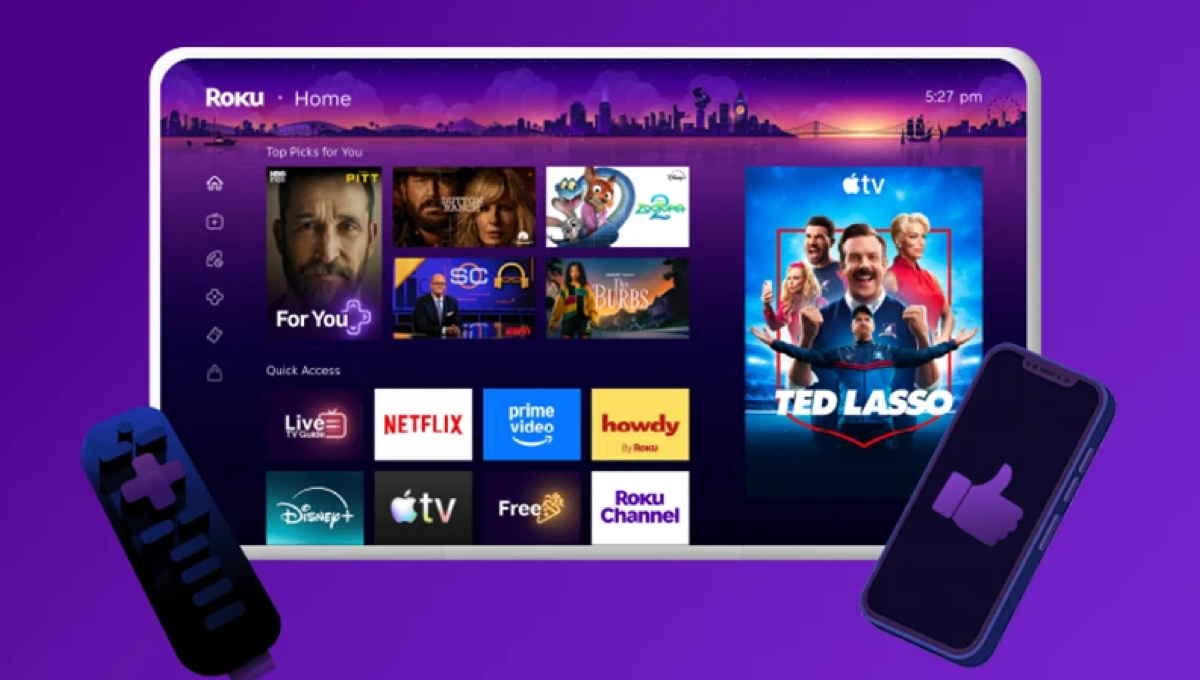
To that end, we are delighted to roll out our new Roku insights page, a self-serve tool offering a peek behind the curtain at streaming and search trends across our more than 125M+ daily active users in the US. Below is a quick overview of what our partners are getting access to, and how they can use our wealth of streaming data to guide their CTV ad strategies.

What insights you can access
We know advertisers and agencies crave accurate insights that will help them understand how people stream, identify marketing opportunities, and plan campaigns. Roku insights supports these efforts with dynamically updated data that can power a variety of use cases.

Users can select audience segments by age range.
For each audience, we provide three slices of the data:
- Demographic composition**
- Streaming by content type
- Title affinity (based on search data)
Today, we're publishing nearly a year's worth of behavioral insights about commonly used age-based audiences. We structured this information based on what our advertising partners have told us over the years is most useful to them.
Here are just a few of the things you can do on our Roku insights page:
- Identify which Roku audiences best fit a brand's needs, such as aligning with its urbanicity profile.
- Use provided audience preferences to build market assumptions (e.g. an audience that favors cooking titles and free streaming may be responsive to value-conscious, lifestyle messaging)
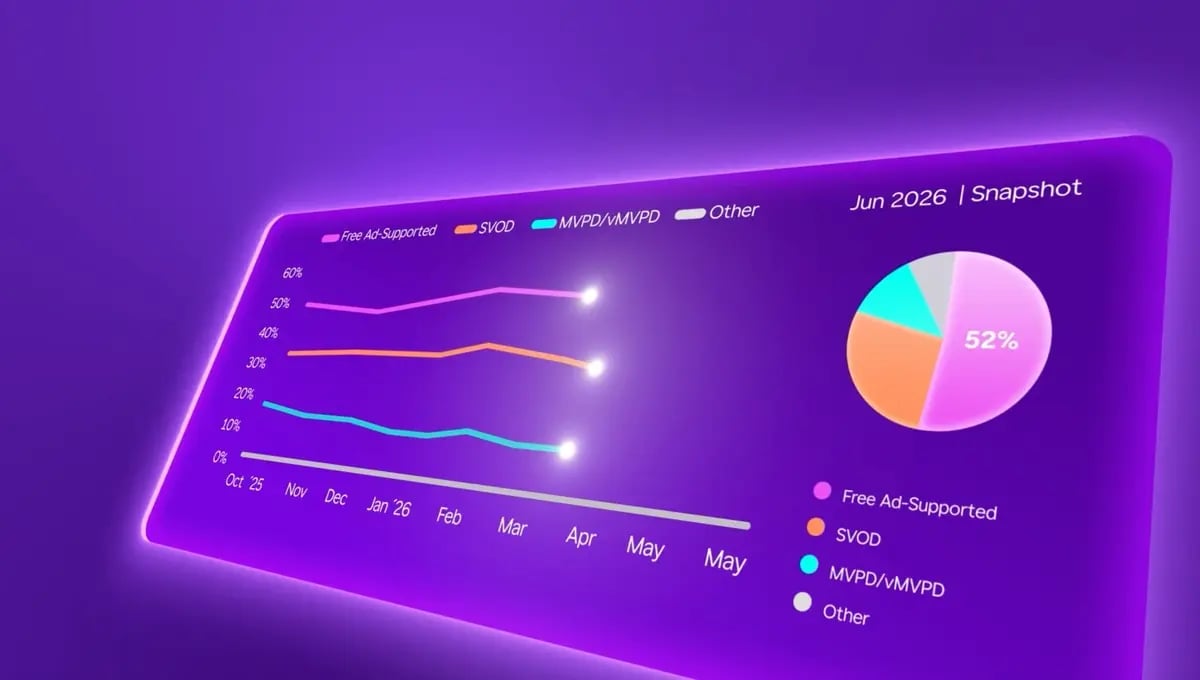
- Understand streaming hours by content type to validate media planning decisions for specific audiences.
- Compare search data from the last twelve months, offering a historical view of searches and how interests change seasonally.
What jumped out for me
As I look through the initial set of data available, from July 2025 to June 2026, one insight stands out: free ad-supported streaming now accounts for the majority of streaming time for ALL adult age groups, from Gen Z* to 55+. Apps like Roku Channel, Tubi, and YouTube have grown faster than the market and are fueling streaming across the board.
Here are two other patterns I noticed as I browsed through the data, focused on my own generation (Millennials) and the generation I sometimes pretend to belong to (Gen Z*):
Younger generations have distinct tastes

Browse streaming titles that over index by age group searches.
We identified the titles on Roku search that Gen Z* and Millennial streamers over-indexed on the most over the past year, with only ONE title shared between the two lists (Love Don't Cost a Thing... who'da thunk?). Media plans often group these two generations into a single "young adult" segment, but they have less in common than many assume. On the content side at least, it's worth treating them as two separate audiences, even if they get bucketed together elsewhere in planning.
Millennials are the nostalgia generation, and their hivemind is strong
15% of the titles that Millennials persistently over-index for when searching on Roku are decades-old movies from their own childhood and young adulthood (Big Daddy, Billy Madison, Bring It On...they over-index for B’s too!). No other generation has that level of concentration, and as a result Millennials have the least variety in their over-indexing titles. The upside for planners is that you can target Millennials with more certainty. The way to their hearts is through a 90s classic :)
What's coming next
The launch of our insights page is only the start. With the foundation in place, we're already planning enhancements: more audiences, expanded insights, relevant survey research, and more built-in callouts. The goal is to make this landing page the destination for media planners, buyers, and others in the industry to learn about the audiences that matter.
So go explore! Click around, see what you can learn, and come back for updated data. What audiences are you interested in? What insights would be most useful? I'm looking forward to your ideas, and to developing this into the most helpful tool it can be for your business. Please fill out our feedback form here.
* Gen Z data only includes members of the cohort over the age of 18
** Demographic data provided through third-party partnerships
%20copy.png?width=1535&height=948&name=Streaming%20hours%20by%20content%20type%20(1)%20copy.png)